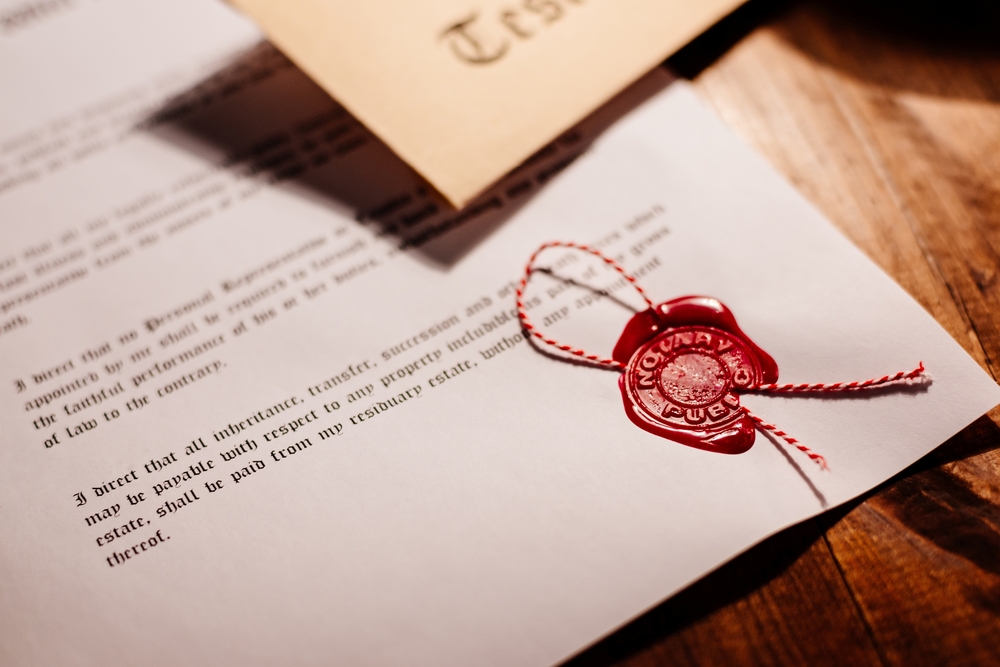
A valid deed safeguards your legacy; don’t let fraud undermine it.
-Ernesto Martinez

Fraudulent Deeds in Miami Real Estate: How to Protect Your Property and Inheritance
Fraudulent deeds in Miami real estate are a growing concern, especially in cases where someone forges a deceased person’s signature to illegally transfer property. Without proper estate planning and swift legal action, families risk losing their rightful inheritance. Understanding how to detect and address these fraudulent activities is essential for protecting your property.
Fraudulent deeds often surface during property sales. Title companies may uncover discrepancies, such as a deed signed after the owner’s death. Florida law mandates that a deed be signed in the presence of two witnesses. According to Florida Statutes § 689.01, this requirement helps ensure the authenticity and legality of property transfers.
When fraud is suspected, immediate legal action is critical. The first step is to consult with an attorney who specializes in probate and real estate law. Your attorney can petition the court to invalidate the fraudulent deed. This process usually involves presenting evidence such as death certificates or expert handwriting analysis to prove the forgery.
In many instances, fraudulent deeds in Miami real estate occur due to incomplete or outdated estate plans. When a property owner passes away without a will or trust, the property enters probate. To proceed with a sale or transfer, title companies typically require an “Order Determining Homestead” or a court order. These documents, as outlined in Florida Statutes § 732.401, play a vital role in verifying ownership and preventing fraudulent transactions.
Some families mistakenly believe a letter from an attorney is enough to resolve these disputes. In reality, banks and title companies require formal court documents, such as Letters of Administration, to establish legal authority. Florida Statutes § 733.301 governs the appointment of a personal representative, who is responsible for managing the estate in accordance with the law.
The best way to prevent fraudulent deeds is through proactive estate planning. Establishing a valid will or trust creates a clear line of succession. Additional tools—such as payable-on-death accounts or transfer-on-death designations—can help avoid probate altogether. These strategies reduce the risk of fraud and ensure your assets are distributed according to your wishes.
As Mahatma Gandhi once said, “Truth never damages a cause that is just.” Challenging fraudulent deeds is about more than protecting property—it’s about ensuring justice for your loved ones. With the guidance of a skilled attorney, families can expose fraud and defend their rightful inheritance.
The bottom line: fraudulent deeds in Miami real estate are preventable with proper planning and resolvable through the right legal channels. Working with an experienced attorney gives you peace of mind and the tools to act quickly if fraud is suspected.
If you need assistance with estate planning or suspect fraudulent activity involving property, we’re here to help. At Probate Counsel, Ernesto Martinez Jr. brings over 32 years of experience in probate and real estate law. Call us today at 305-446-0702 to schedule a consultation. Protect your property—and your legacy—with trusted legal guidance.